
Designing a Sustainable Minimalist Home for Modern Living
A home that is both beautiful and Eco-conscious is designed in this video. Viewers are invited to discover how intentional choices can create a deeply personal and sustainable living space.
"What if your home could be a sanctuary for both you and the planet? Imagine a living space that feels incredibly personal, looks effortlessly beautiful, and actually contributes to a healthier environment. In this video, we're revealing how to design a sustainable minimalist home for modern living, proving that intentional choices can lead to a truly remarkable space."

When it comes to creating a sustainable living space, the concept of the intentional home goes beyond just aesthetics. It's about connecting minimalism with true sustainability, focusing on purposeful design choices that benefit both the inhabitants and the environment.
Why is Minimalism Important?
Minimalism is often misunderstood as stark and empty, but in reality, it's abundant in purpose and meaning. By decluttering and simplifying living spaces, individuals can significantly reduce waste, save energy, and promote a more mindful way of living. Embracing minimalism encourages a closer connection to the things we truly value, fostering a sense of peace and clarity within our environments. The intentional home embodies these principles, emphasizing quality over quantity and conscious consumption. Each carefully selected item serves a purpose, contributing to a harmonious atmosphere that enhances daily routines. In a world overwhelmed by consumerism, minimalism stands as a refreshing antidote, offering the freedom to focus on what genuinely matters and cultivating a deeper appreciation for the simplicity of life.

What Can You Expect in an Intentional Home?
Viewers of sustainable homes will witness a harmonious blend of functionality and eco-consciousness, where every design choice is made with intention. Smart space utilization is key, with multi-functional furniture and clever storage solutions maximizing every square foot, allowing homeowners to live comfortably without sacrificing style. For instance, convertible sofas and extendable dining tables allow flexibility, catering to both daily living and hosting gatherings. Materials play a crucial role, with a focus on recycled, renewable, and locally sourced options to minimize environmental impact, showcasing innovative uses of wood, bamboo, and repurposed metals that not only enhance aesthetic appeal but also support sustainable practices. Energy efficiency takes center stage, incorporating passive design techniques, smart technology, and renewable energy sources, such as solar panels and wind turbines, for a truly sustainable living experience that reduces carbon footprints while promoting a healthy lifestyle. This thoughtful approach fosters a deeper connection between inhabitants and their environment, encouraging a mindset that values sustainability and the preservation of our planet for future generations.

Core Principles of Eco-Minimal Design
1. Smart Space Utilization: Intentional homes make the most of limited space by incorporating furniture that serves multiple purposes and storage solutions that are both practical and stylish.
2. Material Matters: From furniture to finishes, eco-minimal design prioritizes materials that are recycled, renewable, and locally sourced, reducing the carbon footprint of the home.
3. Energy Efficiency Deep Dive: Passive design strategies such as proper insulation and orientation, along with smart technology like energy-efficient appliances and lighting, help minimize energy consumption. Renewable energy sources like solar panels further enhance the sustainability of the home.
Embracing the intentional home is not just a trend – it's a lifestyle choice that promotes mindfulness, sustainability, and well-being. By incorporating eco-minimal design principles into living spaces, individuals can create a home that not only looks beautiful but also functions in harmony with the planet.
Creating a personal sanctuary within your home is more than just decorating—it's about cultivating a space that promotes well-being and mindfulness. By embracing the "decluttering mindset," shifting from accumulation to curated living, and incorporating biophilic design elements, you can transform your living space into a peaceful retreat.
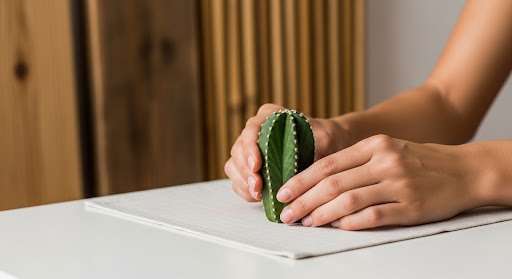
The "Decluttering Mindset": Shifting from Accumulation to Curated Living
Embracing the decluttering mindset involves letting go of excess belongings and focusing on quality over quantity. By curating your possessions and only keeping items that bring you joy or serve a purpose, you can create a more harmonious living environment that not only looks appealing but also enhances your day-to-day life. This shift in mindset encourages a deeper reflection on what truly matters to you, allowing you to prioritize experiences and relationships over material items. Furthermore, as you engage in this process, you may discover hidden treasures among your belongings that deserve a place of honor, while recognizing items that no longer align with your values or lifestyle. This emotional connection with your space transforms your home into a sanctuary, reflecting your personal style and aspirations. This shift in mindset not only reduces physical clutter but also promotes mental clarity and emotional well-being, leading to a sense of peace and contentment that permeates every aspect of your life. The more you practice this philosophy, the more liberating it becomes, providing a pathway to a simpler, more intentional way of living.
Mindful Purchases: Investing in Quality Over Quantity and Ethical Brands
When it comes to crafting your personal sanctuary, investing in quality, sustainable products is key. Opt for items that are built to last, made from eco-friendly materials, and sourced from ethical brands that prioritize fair labor practices and environmentally conscious processes. By making mindful purchases, you not only support responsible production practices but also surround yourself with items that align with your values and contribute to a more sustainable lifestyle. This approach not only enriches your living space aesthetically but also fosters a deeper connection with the environment, encouraging a sense of responsibility and awareness about the resources we consume. Additionally, by choosing products that are timeless and durable, you can reduce waste and contribute to a circular economy, where items are reused and recycled rather than discarded. As you curate your sanctuary, remember that each thoughtful choice has the power to inspire others to embrace sustainability in their own lives, creating a ripple effect of positive environmental impact.
Bringing Nature In: Biophilic Design Elements for Well-Being
Biophilic design focuses on incorporating natural elements into indoor spaces to enhance well-being. From incorporating houseplants and natural materials to maximizing natural light and ventilation, bringing nature into your home can have a profound impact on your mood and overall health. By integrating biophilic design elements, you can create a calming and rejuvenating sanctuary that connects you to the natural world.

Real-World Application: The Sustainable Home Tour
Living Room Reveal: How Comfort Meets Eco-Consciousness
In the living room, prioritize comfort and sustainability by choosing furniture made from recycled materials, organic fabrics, or FSC-certified wood to ensure that your space reflects a commitment to both quality and the environment. Incorporate energy-efficient lighting, such as LED bulbs, and eco-friendly decor items crafted from sustainable resources to create a cozy yet environmentally conscious space where you can relax and unwind. Consider adding plants for their air-purifying properties, and opt for natural fiber rugs that not only enhance the aesthetic but also contribute to a healthier indoor atmosphere. By thoughtfully curating these elements, you can foster a serene environment that promotes well-being while minimizing your ecological footprint.
Kitchen Efficiency: Streamlined, Low-Waste, and Functional
In the kitchen, focus on efficiency and sustainability by organizing your space for maximum functionality and minimal waste. Begin by assessing your current setup; decluttering unnecessary items can greatly enhance both space and workflow. Invest in reusable containers to minimize single-use plastic waste, and opt for eco-friendly cleaning products that are gentle on the environment while still effective in maintaining cleanliness. Additionally, consider incorporating energy-efficient appliances, such as smart ovens and induction cooktops, which not only save electricity but also contribute to quicker cooking times, allowing for a more enjoyable culinary experience. Create a streamlined and environmentally friendly cooking area that promotes healthy eating habits, encourages meal prepping, and supports a sustainable lifestyle, ultimately making your kitchen a hub of nourishment and creativity that aligns with your values.
Bedroom Tranquility: Creating a Calm, Clutter-Free Haven
In the bedroom, prioritize tranquility and organization by decluttering your space and creating a calming atmosphere. A clutter-free environment can significantly enhance your ability to relax and unwind. Start by removing any unnecessary items that do not contribute to your peace of mind. Consider implementing smart storage solutions such as under-bed storage, stylish baskets, or shelves that keep belongings organized yet easily accessible.
Choose bedding made from organic materials, like cotton or linen, which not only add to the overall aesthetic but are also better for your health and the environment. Incorporating soothing colors, such as soft blues, greens, or neutral shades, can further induce a sense of calm. Layering different textures with blankets and cushions also creates a cozy feel. Minimize distractions by limiting electronic devices and opting for ambient lighting options, such as soft lamps or candles, to create a serene ambiance. This transformation into a clutter-free haven will allow you to rest and recharge effectively.
Living a sustainable lifestyle is not just a trend; it’s a commitment to the planet and future generations. However, ensuring that your eco-minimal home continues to thrive in the long run requires consistent effort and mindfulness. Start by evaluating your daily habits and making small, impactful changes that contribute to sustainability. Invest in energy-efficient appliances and use renewable energy sources where possible, like solar panels or wind energy.
Incorporate a variety of plants into your home, as they not only purify the air but also create a more inviting space. Utilize natural cleaning products to maintain a healthy living environment, and be conscious of your consumption patterns by opting for products that have minimal packaging. Embrace the philosophy of 'reduce, reuse, and recycle' to ensure that waste is minimized.
Regularly assess your resources and strive to cut down on water and energy usage, such as taking shorter showers or using programmable thermostats. Emphasizing local and seasonal produce in your diet also supports sustainable agriculture. By cultivating these habits, you not only ensure that your eco-minimal home remains a sanctuary for you but also contribute positively to the larger community and environment. Let's explore these key strategies and cultivate a sustainable lifestyle that is both fulfilling and environmentally responsible.
Long-term maintenance: Keeping your eco-minimal home thriving
One of the key aspects of maintaining a sustainable lifestyle is to ensure that your eco-minimal home remains functional and efficient. Regular maintenance of energy-efficient appliances, such as solar panels and water-saving fixtures, is essential to maximize their lifespan and reduce energy consumption. This includes periodic inspections, timely repairs, and utilizing smart technology to monitor their performance efficiently. Additionally, incorporating sustainable materials in your home, such as bamboo flooring and recycled glass countertops, can help minimize environmental impact and promote a healthier living space. Choosing non-toxic finishes, investing in energy-efficient insulation, and using low-VOC paints are further steps that not only enhance the aesthetics of your home but also contribute significantly to reducing your carbon footprint. Adopting these practices creates a cohesive approach towards sustainability, reflecting your commitment to preserving the planet for future generations.
Community connection: The wider impact of intentional living
Living a sustainable lifestyle goes beyond just your home - it has a ripple effect on the community and the environment as a whole. By actively participating in local sustainability initiatives, such as community gardens and recycling programs, you can contribute to a more eco-conscious society that values the health of our planet. These initiatives not only promote environmentally responsible practices but can also foster relationships among neighbors and create stronger community bonds. Engaging with like-minded individuals and organizations can also provide support and inspiration for your sustainable journey, creating a sense of belonging and shared purpose. Additionally, by advocating for policies that prioritize sustainability and educating others about the benefits of eco-friendly practices, you can amplify your impact. This collective effort can lead to significant changes, inspiring more people to embrace sustainable habits and ultimately contributing to a healthier, more sustainable future for generations to come.
Your next step: Resources and inspiration to start your own journey
If you're looking to embark on a sustainable lifestyle journey, there are plenty of resources and inspiration available to help you get started on this rewarding path. From online platforms offering a wide variety of eco-friendly products and practical tips to local sustainability workshops and engaging events, there are endless opportunities to learn and connect with others who share your values and vision for a greener future. Consider joining a sustainability-focused community or seeking guidance from sustainability experts, such as environmental educators and lifestyle coaches, to kickstart your eco-conscious lifestyle effectively. Additionally, you can explore social media groups dedicated to sustainable living where members share their personal experiences, challenges, and success stories, fostering a sense of camaraderie and support. Furthermore, don't overlook the importance of local farmers' markets and sustainable food co-ops as valuable resources, where you can access fresh, organic produce while supporting local agriculture. Embrace this journey, as each small step you take contributes significantly to a healthier planet for generations to come.